
The 4 pitfalls of the energy transition
Learn how your industrial business can spot them in time, avoid them and turn them into a strategic advantage that makes your company more resilient against an energy market that changes every day.

The energy transition is full of opportunities, but at least as many pitfalls. For industrial companies, it is often unclear today exactly where those pitfalls lie, let alone how to avoid them. And that insight is precisely what makes the difference between missing the connection and building a strategic advantage.
In this whitepaper, we reveal the four biggest pitfalls of the energy transition for industry. You will discover not only where companies are getting stuck today, but above all how to turn each pitfall into a tangible opportunity. This enables you to act proactively, with a strategy that stands firm in an energy market that changes every day.
What you'll discover in this whitepaper
- Why a clear view of your consumption, peaks and production is the foundation of every saving, and what you miss without it.
- How to avoid the trap of "investing to invest," and why the largest investment is rarely the smartest.
- What electrification means for your peak power, and why a well-considered storage strategy saves unnecessary costs.
- How the right energy contract combines flexibility with certainty, instead of leaving opportunities on the table.
- And above all: how to bring these four pitfalls together into one smart energy ecosystem that grows with your business.
Related insights
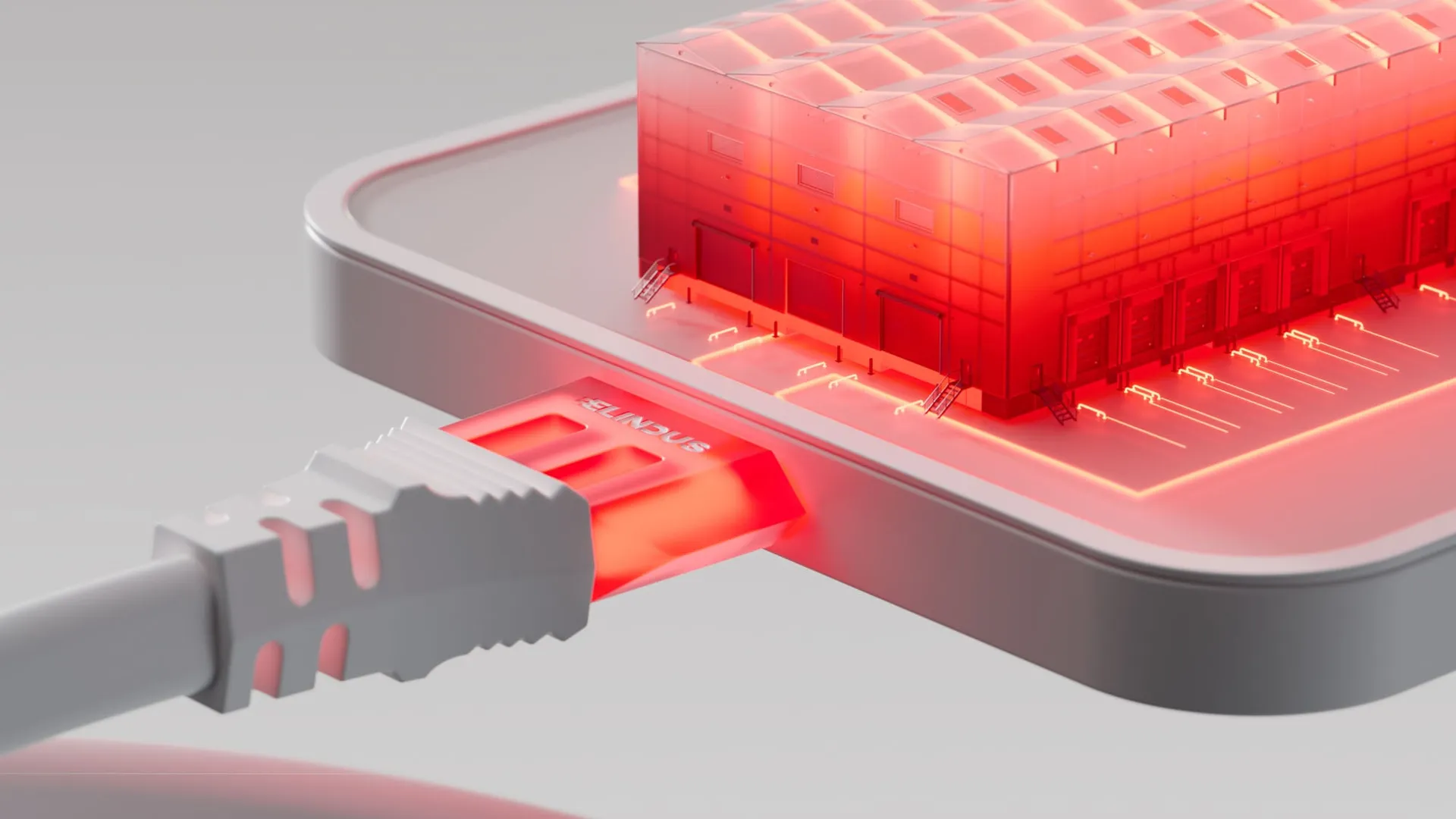
Energy prices in a volatile market
Your contract, consumption data and flexibility together determine your final energy price.
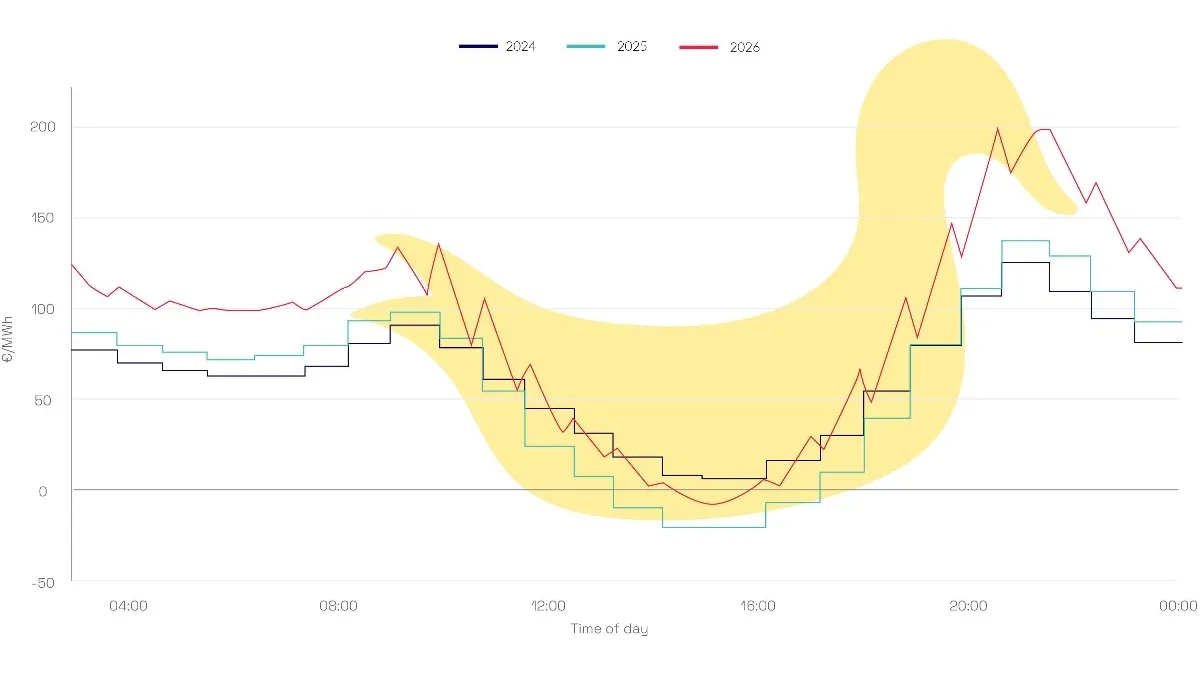
Why the duck curve is shrinking in Australia, while it's getting sharper in Europe
Batteries are flattening the duck curve in Australia and California, while price swings in Europe and Belgium keep growing. Discover why flexibility is becoming increasingly valuable and how your business can take advantage of it today.

Video: How do we keep the electricity grid in balance?
The electricity grid does not stay in balance on its own. Watch how forecasting, flexibility and fast control keep the system in equilibrium.