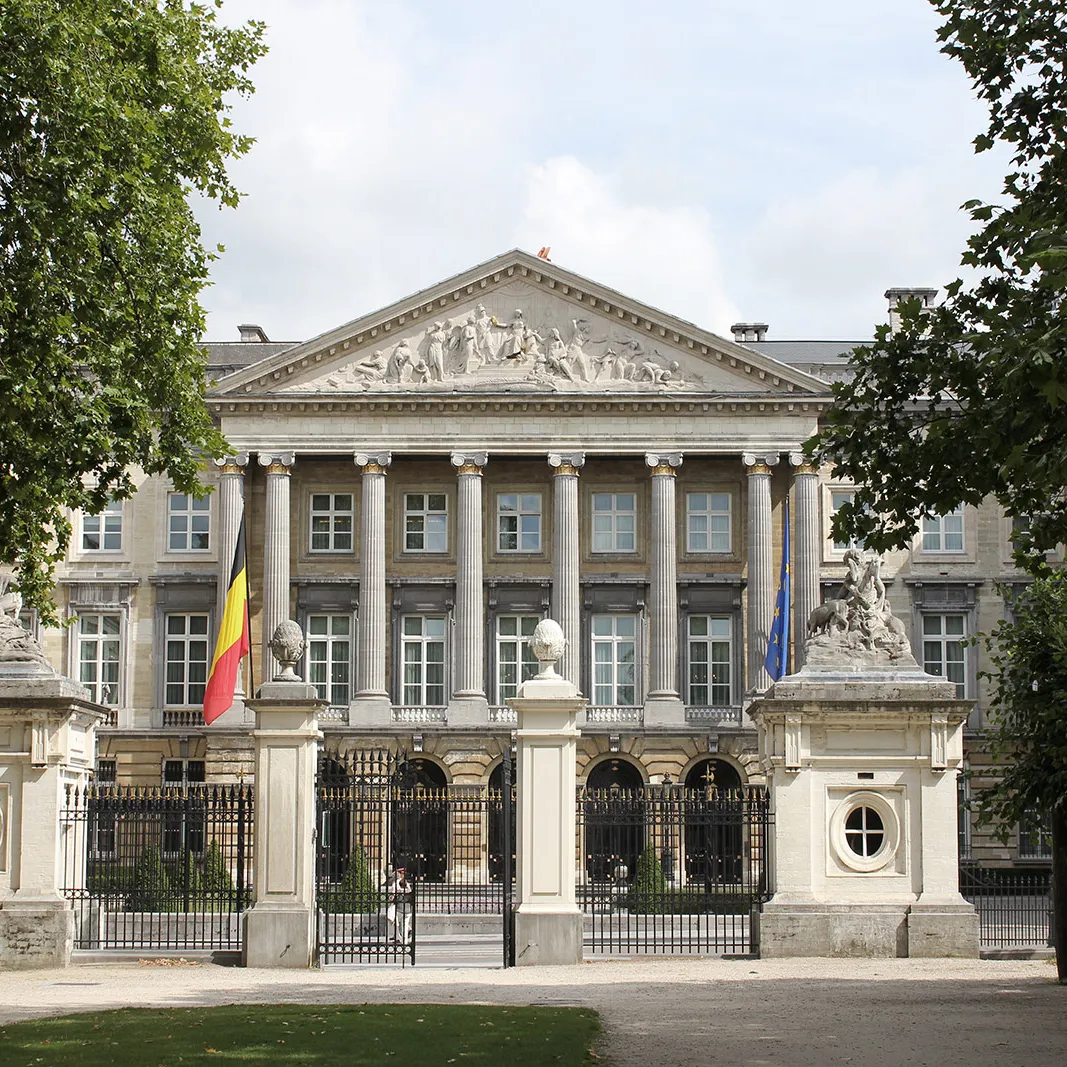
In Flanders (Belgium) one quarter-hour of negative prices will cost you your green power certificates from 2027 onwards
From January 1, 2027, a single quarter-hour of negative electricity prices in Flanders will cost you your green power certificates, even for power you consume or store yourself. What exactly is changing, which installations are affected, and why is simply switching off not always the smartest choice?

Starting January 1, 2027, one quarter-hour with a negative electricity price will be enough for you to stop receiving green power certificates for your solar panel installations for that period. With this measure, the Flemish government aims to bring more balance to the grid by better aligning supply and demand. This does not mean your solar panel installation will suddenly become less attractive. It does mean you will need to leverage flexibility to preserve its value.
What exactly is changing?
Today, you only lose your green power certificates when the electricity price is negative for at least six consecutive hours. As of January 1, 2027, that rule will be tightened considerably.
- A single quarter-hour with a negative price is enough to receive no certificates for that period. The same rule applies to combined heat and power (CHP) certificates.
- Not every installation falls under the new rules. For installations with a gross nominal capacity below 400 kW, the exemption continues to apply. For installations commissioned on or after January 1, 2026, that threshold is 200 kW.
- Important: the rule does not only apply to electricity you inject into the grid. For electricity you consume yourself or store locally, you will also receive no certificates during a quarter-hour with a negative price.
Why are the rules changing?
Prices on the wholesale electricity market are constantly moving. When solar and wind produce a lot of power at the same time and demand is low, a surplus arises. The energy price can then drop below zero.
With the new rules, the Flemish government wants to encourage producers to better align their output with what the market needs at that moment.
What does this mean for your business?
Negative prices often occur at times of strong sun and wind. In other words, precisely when solar panels and wind turbines are producing a lot of electricity. The loss of certificates therefore coincides with the moments when your installation is running at full capacity.
What's more, electricity prices on European exchanges now move every quarter-hour. Whereas in the past it was mainly longer periods of negative prices that affected your certificates, starting in 2027 even a brief price dip will have consequences.
How big the impact is for your business depends on your installation, your production and consumption profile, and the flexibility you have at your disposal.
Switching off is not always the best solution
The first instinct when prices turn negative seems logical: temporarily stop production. But that does not necessarily solve the problem.
If you switch off your installation (curtailment), you are no longer producing your own electricity at that moment. Blindly shutting down as soon as the price turns negative can also mean leaving value on the table. After all, a single price signal does not always give you the full picture. The price on the day-ahead market can differ from the situation that later unfolds on the real-time market. If one of the two markets stays positive, smart control of your installation is a better choice than traditional curtailment.
The question is no longer how much power you produce, but when you produce, consume, or store it. Simply switching your installation on or off is no longer enough. The real question is: what is the most valuable choice for this quarter-hour? Companies that smartly align their production, consumption, and flexibility respond better to negative prices and thereby limit the impact of the new rules.

From energy production to active energy management
From 2027 onward, timing becomes even more important for the value of locally produced energy. Simply producing as much as possible is no longer enough. Companies also need to be able to respond to price signals and align their production and consumption accordingly.
In that sense, the new measures fit into a broader trend in the energy market: energy is increasingly something companies can actively manage and optimize.
Related insights

BRP: what does a Balance Responsible Party actually do?
A BRP keeps the power grid in balance. Discover why forecasting is crucial to that job.

Video: What is a Balance Responsible Party (BRP)?
A BRP keeps production and consumption in balance every quarter-hour. Watch what the role involves and why it matters down to asset level.
What does one year of quarter-hour prices tell us about the Belgian energy market?
Since October 2025, each day has 96 quarter-hour prices instead of 24 hourly prices. Our analysis of the first year shows how strongly timing drives the price.